Where Code Meets Commerce, Learning at Full Speed
Turning Theory into Delivery

Why Two Mentors Beat One
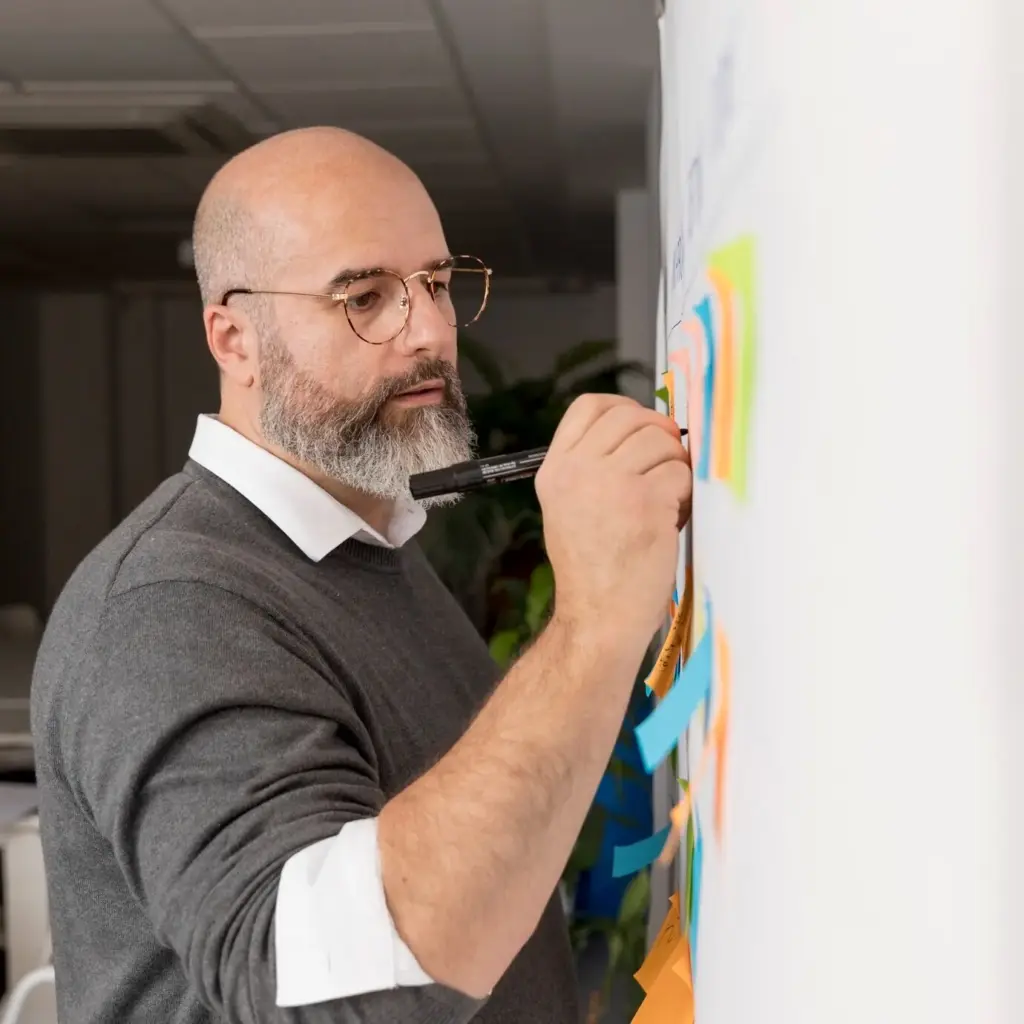
Shared Goals, Different Lenses

A Sprint Story from the Floor

Blueprinting the Journey
Projects With Real Customers
Mentors Who Coach, Not Command
01
Feedforward and Structured Reviews
Replace vague praise with targeted guidance. Use checklists, rubrics, and review templates for code, UX flows, business cases, and stakeholder memos. Offer feedforward—what to try next time—paired with examples. Keep reviews time-boxed and kind, encouraging questions and experiments. Track recurring issues to identify workshops that raise everyone’s baseline. Over time, learners internalize standards and self-review effectively, freeing mentors to focus on higher-order thinking, architectural patterns, and strategic communication under evolving constraints.
02
Psychological Safety Across Disciplines
Safety enables speed. Encourage learners to surface uncertainties early, admit when estimates drift, and request help without penalty. Normalize phrases like “I might be wrong” and “Let’s test that.” Model curiosity across roles so engineers ask about pricing and analysts ask about performance. When questions feel welcome, creativity flourishes, risks are spotted sooner, and people volunteer insights that might otherwise remain silent, improving quality, inclusivity, and the joy of building together.
03
Resolving Conflicts Without Losing Velocity
Disagreements are inevitable when stakes are real. Establish decision frameworks, escalation paths, and time-boxed debates. Seek alignment on principles—customer benefit, operational soundness, and long-term maintainability—before arguing solutions. Capture the decision, rationale, and next review checkpoint so choices remain transparent. Learners observe conflict handled respectfully and efficiently, practicing the art of differing without drama and recommitting to delivery once the call is made, which protects momentum and strengthens trust across functions.
Tools That Keep Learning Visible
Assessment, Recognition, and Momentum


Scaling Partnerships and Access


All Rights Reserved.